
After the Law, and what comes after that.
Two series, one question: what happens to law and professional knowledge once it leaves the page, and who has to carry it. Both are published on LinkedIn and collected here.

Start with the most recent.

AI Is Hallucinating the Justice System We Told People Exists
When people representing themselves bring AI-invented cases to court, everyone says it’s their fault. But the fake cases lean into fairness, proportionality and rights, all the things we say our justice system is about.
Read on LinkedIn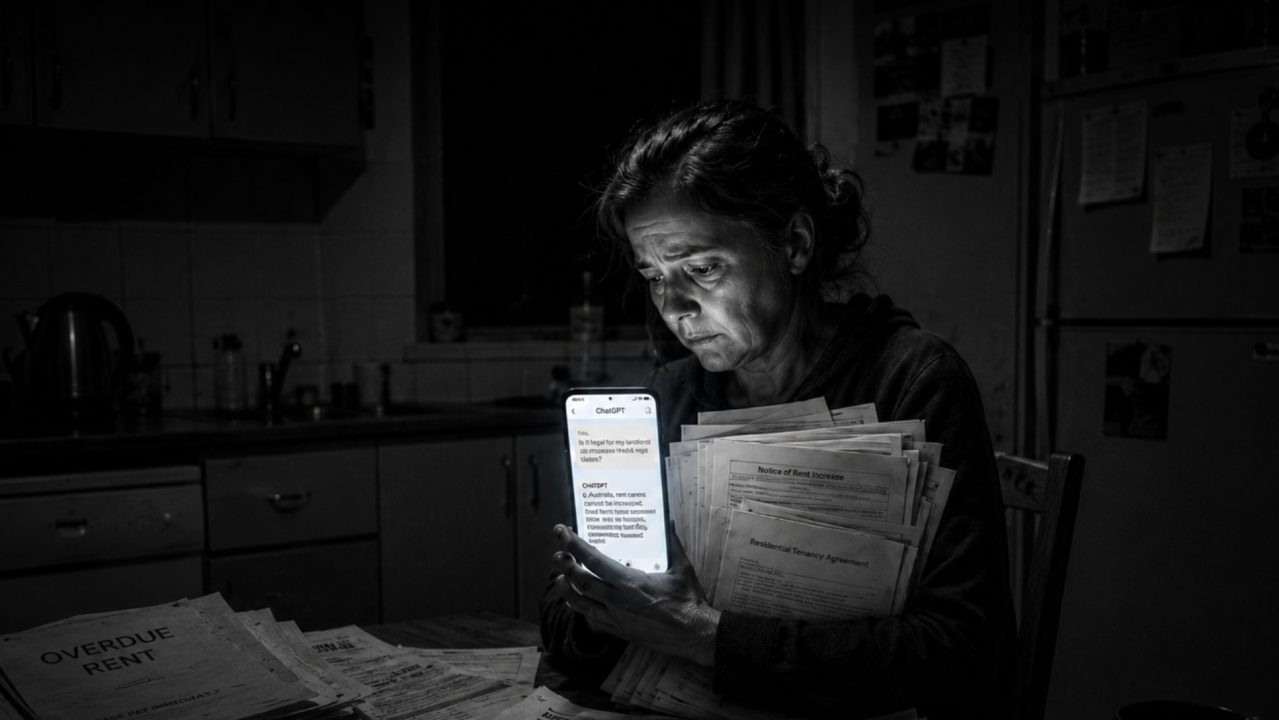
She Couldn’t Afford a Lawyer. The Court Punished Her for Using AI.
What happens when the only help a person can reach is the one the system refuses to accept.
Read on LinkedIn
The Law Was Written to Be Followed, Not Understood (And Plain English Isn’t Going to Fix That)
Comprehension is only part of access. Someone has to understand, recognise relevance, trust, decide and act.
Read on LinkedIn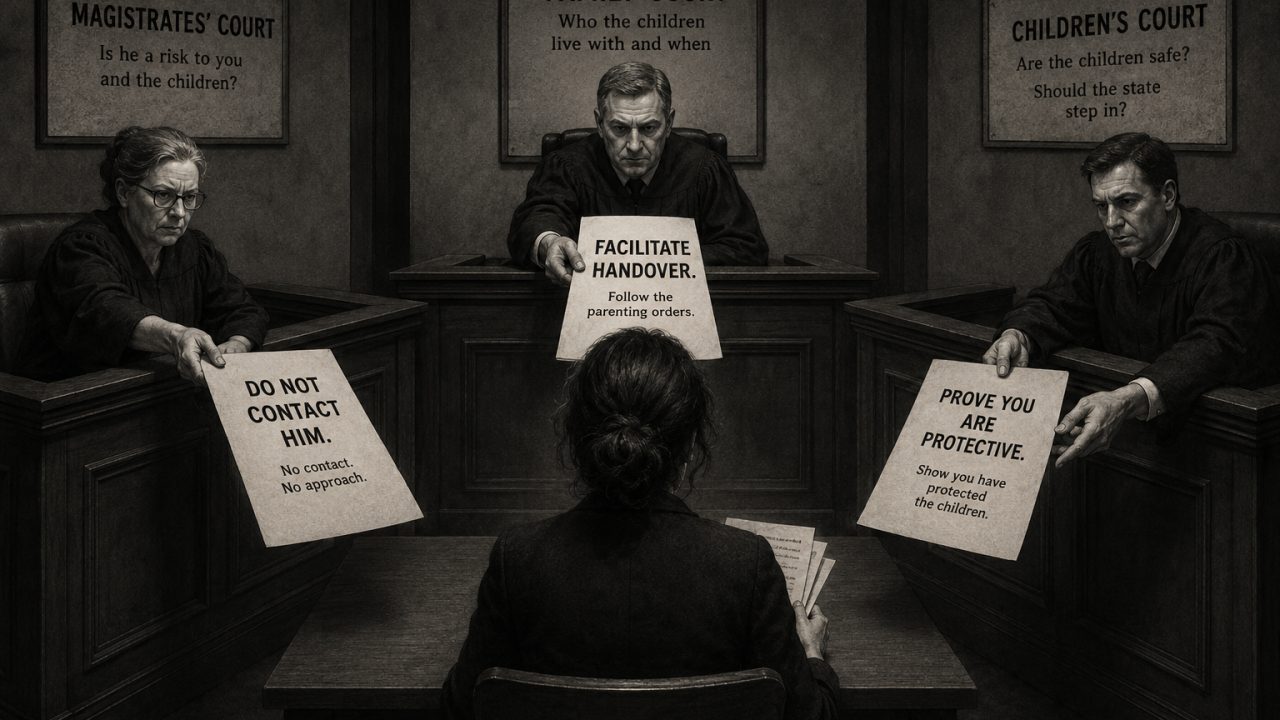
She Left. Now She’s in Three Courts, and She Wants Out of Those Too.
Local institutional correctness can produce collective system failure. Nobody owns the combined experience.
Read on LinkedIn
The Legal Profession Left a Gap for 92% of Australian Households. So ChatGPT Became the Largest Legal Aid Provider. Now What?
If information stops being something lawyers uniquely possess, what is the lawyer actually for?
Read on LinkedIn
After the Law
What happens after law leaves the page? Who has to carry it into practice? What gets lost, and what would it take to make it work?
After the Law explores the distance between what systems promise and what people experience, including the changing role of AI and professional expertise.
- No. 06: AI is hallucinating the justice system we told people exists (17 August 2026). Why these invented cases? What did people expect law to recognise or remedy?
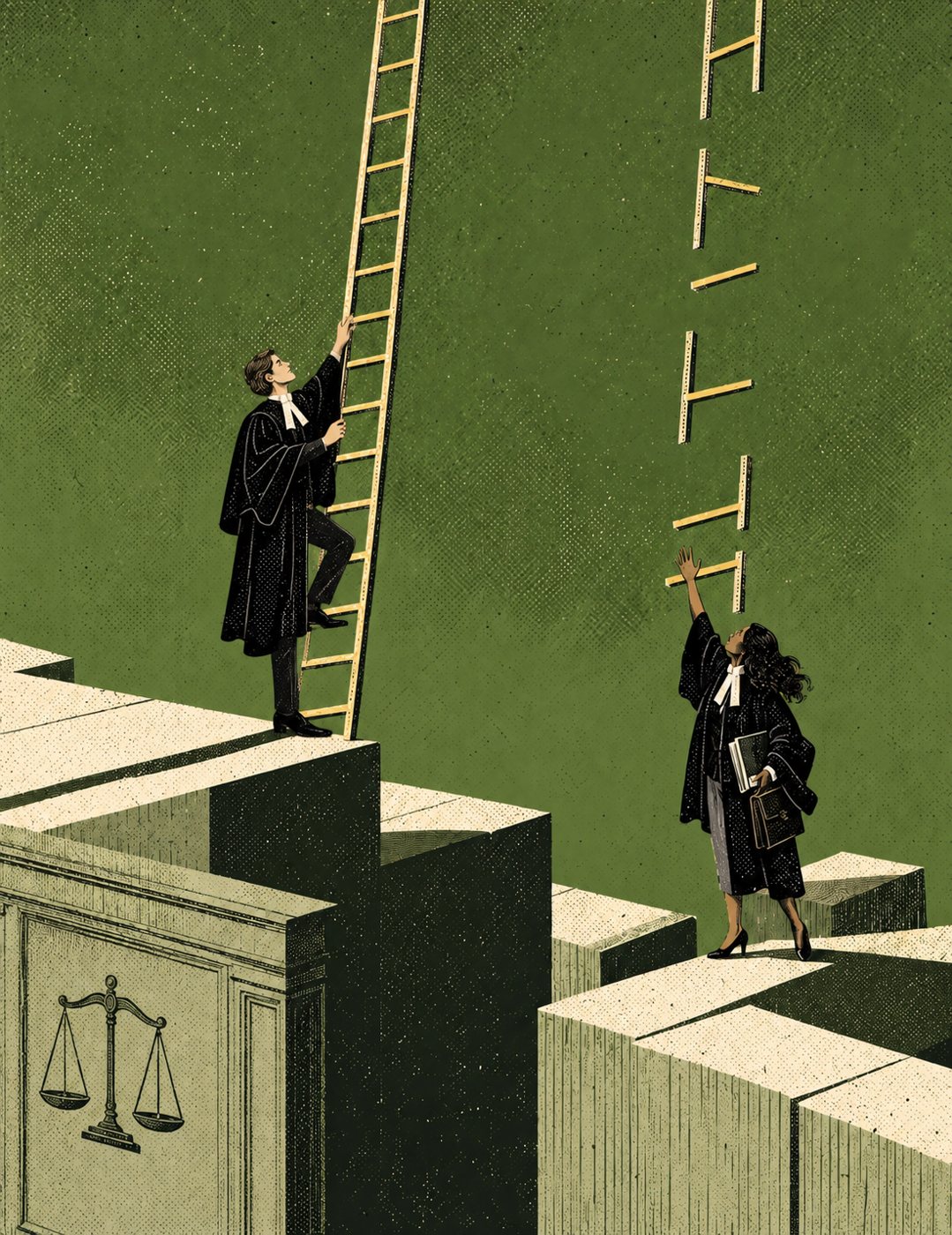
Professionals From the Future
The roles emerging between law, practice and design: the people whose job is to make expertise usable, and what they need to know.
Written for the teachers, nurses, council workers and support workers who already do this work without a title for it, and for the students deciding what kind of professional to become.
The methods
Safe to Say, Safe to Reach, Safe to Use, and the four tools underneath it.
Free guides and tools
Where the arguments turn into something you can use.
New articles are announced to the mailing list. Subscribe.